

Full-Grain vs. Top-Grain vs. Genuine Leather: Which Messenger Bag Is Actually Worth Your Money?
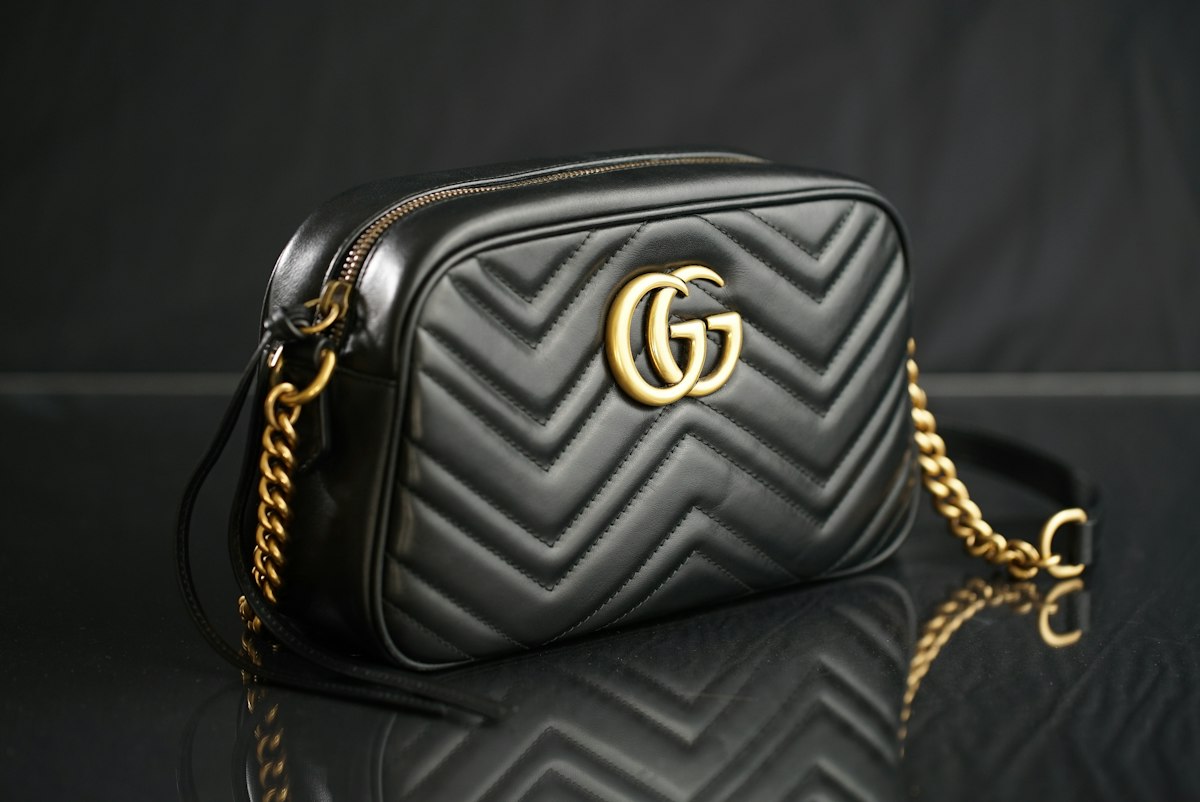
Walk into any leather goods store—or scroll through any marketplace—and you'll see the word "leather" plastered on everything from $30 bags to $500 ones. So what's the difference? Why does one messenger bag last a lifetime while another starts peeling after a year?
The answer almost always comes down to which layer of the hide was used to make it. And that's the conversation most brands don't want to have with you.
In this guide, we're going to break it down clearly: full-grain, top-grain, genuine leather—what each one is, what it looks and feels like over time, and why it matters enormously for a bag you plan to carry every day.
The Anatomy of a Hide
To understand leather grades, you first need to picture a raw hide. It has distinct layers:
- The grain layer — the outermost, tightest layer of the hide. This is where the natural fiber structure is most dense and durable.
- The junction layer — just beneath the grain, still relatively strong.
- The corium (split layer) — the fibrous, looser inner section of the hide. Far less durable on its own.
Every grade of leather you've heard of—full-grain, top-grain, genuine—is simply a different way of using (or not using) these layers. Here's how they compare:
Full-Grain Leather: The Real Thing
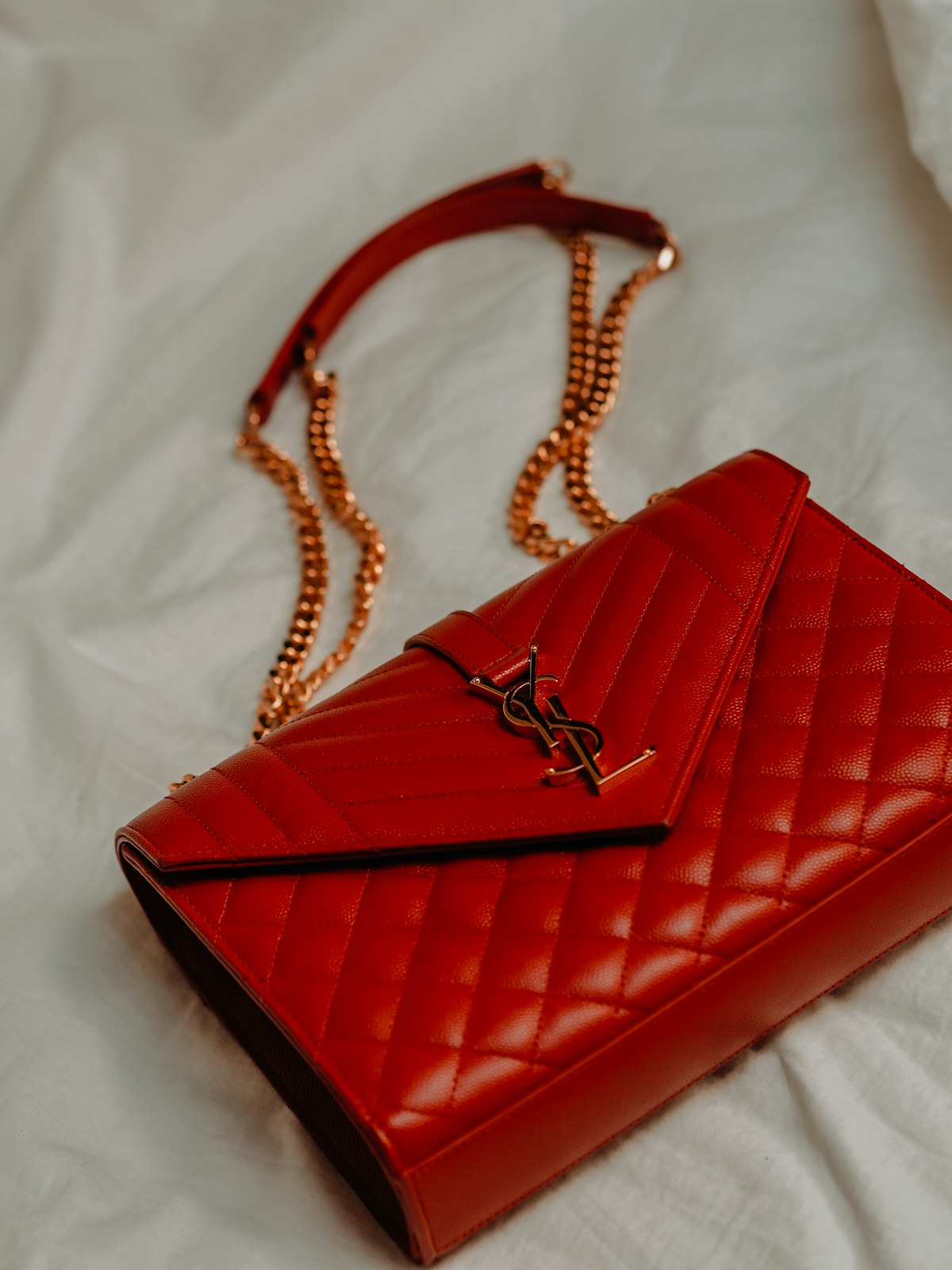
Full-grain leather uses the entire thickness of the grain layer, completely intact, with nothing sanded or buffed away. Every scar, wrinkle, and variation from the animal's life is preserved. This isn't a flaw—it's proof of authenticity.
What makes it special?
- Breathes naturally. The original pore structure is intact, so the leather stays supple and doesn't trap moisture against your body.
- Develops a patina. Over months and years of use, full-grain leather develops a rich, burnished patina that tells your story. No two bags age the same way. This is impossible to fake with cheaper grades.
- Gets stronger, not weaker, with time. The dense fiber structure means that with basic care, a full-grain bag outlasts its owner—literally. Many family heirlooms are full-grain leather goods passed down through generations.
- Resists moisture better. The tight grain naturally repels water to some degree. With conditioning, it handles rain and humidity without cracking.
The trade-off?
Full-grain is the most expensive grade because it demands the highest-quality hides. You can't hide imperfections—every mark shows. So tanners and manufacturers have to be selective. That selectivity costs money, and it shows in the price of the finished bag.
At Parrys Leather World, every messenger bag we make—including our Heritage Messenger Bag—is crafted from full-grain goat leather, selected hide by hide by our artisans in Jodhpur, Rajasthan. Goat leather is prized for its naturally fine grain, light weight, and exceptional strength-to-thickness ratio—qualities that make it ideal for a bag you carry daily.
Top-Grain Leather: The Compromise
Top-grain leather is the most common material used in mid-range leather bags. It starts with the same grain layer as full-grain—but then the surface is sanded or buffed to remove natural marks, imperfections, and variations. A uniform finish or embossed pattern is then applied to the surface.
What you get:
- A consistent, flawless look. Since the surface is sanded and re-finished, you get a uniform appearance. Great for people who want their bag to look "perfect" right out of the box.
- Lower cost (usually). Hides with more imperfections can be used, since the surface is corrected anyway. This brings down the material cost.
- Decent durability—for a while. The underlying fiber structure is still reasonably strong. A well-made top-grain bag will last years with care.
What you lose:
- No real patina. Because the surface is coated with a finish or pigment, the leather can't develop the same character over time. What you buy is what you get—forever.
- Less breathability. The buffed and coated surface doesn't breathe as naturally as full-grain.
- Peeling risk over years. Some top-grain bags—particularly those with heavy pigment finishes—can begin to show surface wear that full-grain would handle gracefully.
Top-grain is not a bad material. For a fashion bag used occasionally, it's perfectly fine. But for a daily carry messenger bag that you need to last 10–20 years? The gap between top-grain and full-grain becomes very real, very quickly.
Genuine Leather: Buyer Beware
Here's the one that trips most shoppers up: "genuine leather" sounds like a quality mark—it isn't.
Genuine leather is actually the lowest grade of real leather. It's made from the leftover corium (the split layer) after the grain has been used for higher grades. The fibers in this layer are loose and weak, so it has to be heavily treated, pressed, and coated to hold together as a usable material.
What you get:
- A lower price point. This is the cheapest way to sell something that can legally be called "real leather."
- Decent initial appearance. The pressed and painted finish can look presentable when new.
What you lose (quickly):
- It peels, cracks, and flakes. The weak split layer can't handle repeated stress. Most genuine leather bags begin to show delamination and cracking within 1–3 years of regular use.
- No aging, only deterioration. There's no patina, no character—just gradual degradation.
- Little to no resale value. A genuine leather bag in good condition after 5 years is an exception. A full-grain bag in excellent condition after 20 years is the norm.
Many bags sold as "leather" in fast-fashion and mass-market retail—even at surprisingly high price points—use genuine leather or leather-bonded materials. Always check the product description carefully.
Quick Comparison: At a Glance

| Feature | Full-Grain | Top-Grain | Genuine Leather |
|---|---|---|---|
| Hide layer used | Entire grain, intact | Grain, sanded & re-finished | Split/corium layer |
| Durability | Exceptional (decades) | Good (5–10 years) | Poor (1–3 years) |
| Patina over time | Yes — rich & unique | Minimal | None |
| Breathability | High | Medium | Low |
| Surface peeling | Never (cared for properly) | Rare | Common after 1–2 years |
| Cost | Higher | Mid-range | Lowest |
| Best for | Daily carry, heirloom pieces | Occasional use, fashion bags | Low-use, short-term |
Why Goat Leather in Particular?
Not all full-grain leather is the same. The animal the hide comes from matters—and for messenger bags specifically, goat leather has some distinct advantages:
- Lighter weight. Goat hides are naturally thinner and lighter than cow or buffalo, without sacrificing strength. For a bag you wear over your shoulder all day, this matters enormously.
- Tighter, finer grain. Goat leather has a naturally close grain that is more resistant to moisture and scratches than coarser hides.
- Supple from the start. You don't need to break it in for weeks. Full-grain goat leather is soft and comfortable the first time you use it.
- Ages beautifully. The patina that develops on goat leather is rich and even—arguably more attractive than on many cowhide bags.
This is why we chose full-grain goat leather for our messenger bags. Our artisans in Jodhpur—a city with centuries of leather-working tradition—hand-select each hide, hand-cut each panel, and hand-stitch every seam with solid brass hardware throughout.
How to Identify Leather Grade When Shopping
- Read the description carefully. "Full-grain" should be stated explicitly. "Genuine leather" is a red flag. Vague language like "premium leather" or "quality leather" almost always means top-grain or lower.
- Look at the edges. On full-grain leather, the cut edges (look at the strap or inside panels) show a consistent, dense fiber cross-section. Split leather or bonded leather shows looser fibers or a layered look.
- Feel the back. The flesh side of full-grain leather feels slightly rough and fibrous—natural suede. The flesh side of split leather often has a papery or pressed texture.
- Ask about the hide animal. A seller who knows their product can tell you immediately. If they can't or won't, that's information too.
- Trust the price (but verify). True full-grain leather bags cost more because quality hides cost more and skilled artisans cost more. A "full-grain leather" bag at $60 almost certainly isn't.
The Long-View Math: Why Full-Grain Is Cheaper Over Time
A full-grain leather messenger bag might cost $150–$300. A genuine leather bag might cost $40–$70. Here's the math most people don't do:
If the genuine leather bag lasts 2 years before peeling and looking worn, you buy it 5 times over 10 years = $200–$350 spent—on something that never looked as good, never aged with character, and ended up in landfill five times.
The full-grain bag? After 10 years of daily use, it's still in excellent condition, with a patina that looks better than the day you bought it. And it'll go another 10 years after that.
Buy once. Buy right. That's the case for full-grain leather—and it's the philosophy behind every bag we make at Parrys Leather World.
Ready to Experience Full-Grain Leather?
Our Heritage Messenger Bag is handcrafted from full-grain goat leather by third-generation artisans in Jodhpur, Rajasthan. Every stitch is waxed. Every buckle is solid brass. Every bag is made to outlast the decade—and the next one after that.
Browse our full collection of handmade leather bags, or reach out to us if you have questions about materials, sizing, or customization.
Shop the Heritage Messenger Bag →
Parrys Leather World is a family-run leather goods studio with over three generations of artisan craftsmanship. All our bags are handmade in Jodhpur, India, using full-grain leather and solid brass hardware. "Born from Struggle, Stitched with Soul."
